
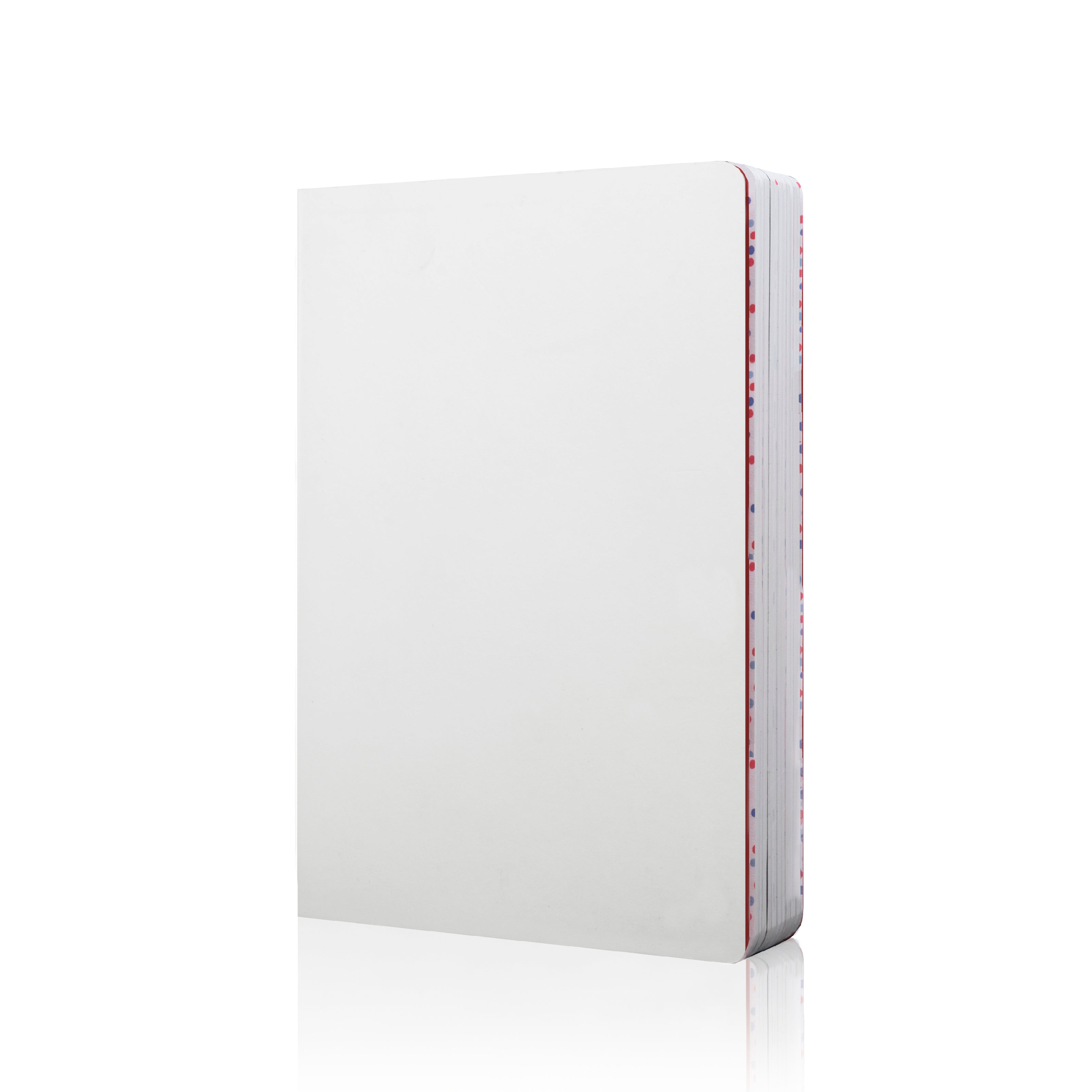


160 Page Notebook Main Insert A5 Large
Availability
Final Sale Notice: Please note that personalized items, paper products, Oops items, special event orders, and sale items are final sale. Thank you so much for your understanding.
Frequently Bought Together
-


-
Size: A5 size
W: 148 x H: 210 x T: 14 mm / W: 5.8" x H: 8.3" x T: 0.6"
Weight: Approx. 380 g
Binding: Sewn Bound
Paper: 120gsm, 100% wood fiber, premium paper, full-bodied, smooth, and ink bleeding resistant
Yearly Calendar: Undated
Content:
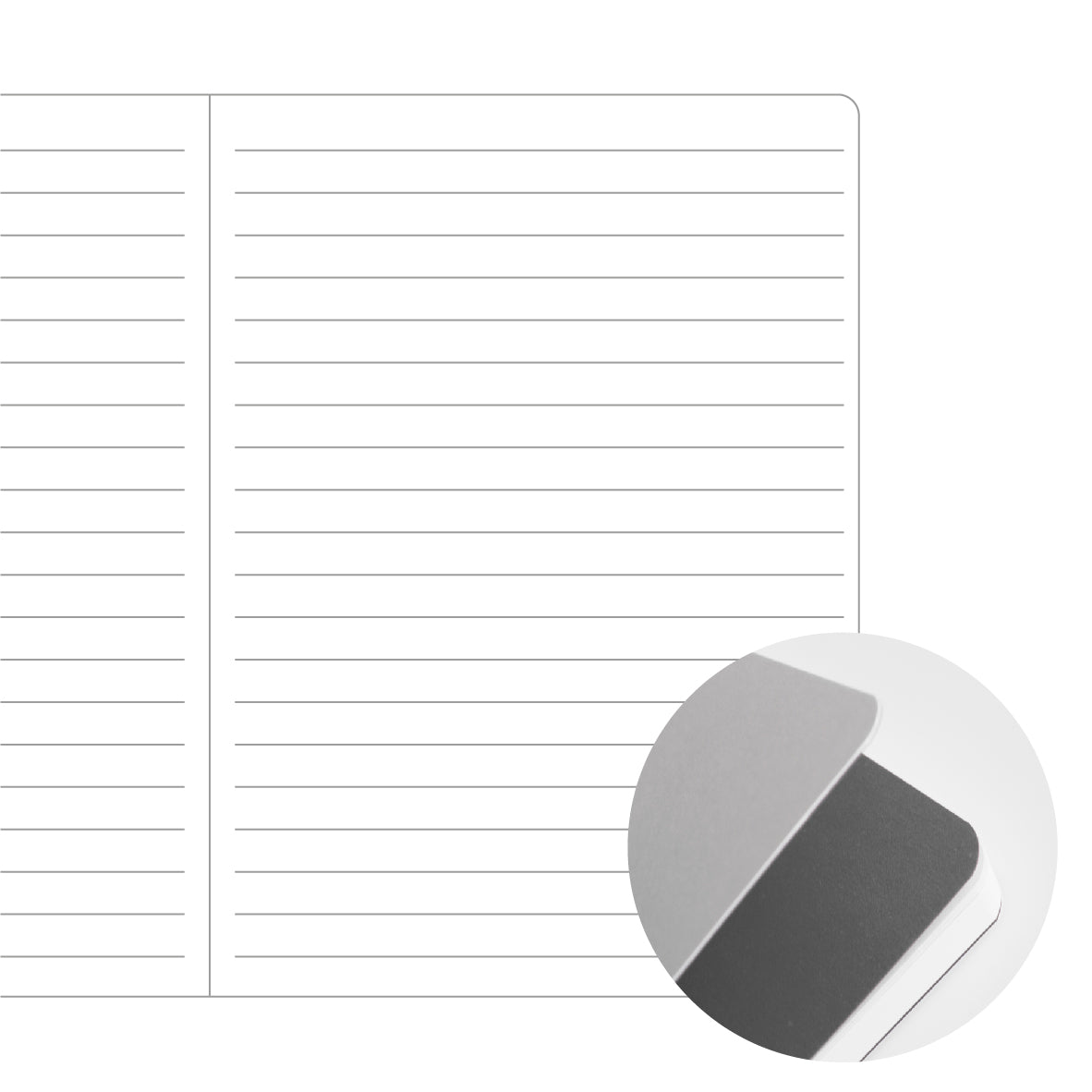
Ruled line Layout
- 146 ruled pages
- 6 trendy pattern spreads
- 1 title page
- 1 personal info page
- 12 monthly spreads
- 60 weekly spreads
- 1 got grid spread
- 3 illustration pages
- 8 ruled pages
- 1 personal info page


Building a planner setup with inserts and dashboards
Planner inserts, dashboards, dividers, and tip-ins help turn a planner into a flexible setup. Start with the planner size, then decide whether this piece belongs in your daily planning pages, monthly overview, notes section, or decorative dashboard stack.
Check the planner or cover size before adding inserts, dashboards, or dividers so the setup turns cleanly and stays comfortable to carry.
Use dashboards and dividers to mark monthly, weekly, notes, finance, health, memory keeping, or project sections.
A few well-placed inserts can make a planner easier to use; too many layers can make the stack harder to close or write in.
Planner insert FAQ
Match the insert, dashboard, or divider to the planner size first. If you use a cover, also check how much thickness the full planner stack can comfortably hold.
Dashboards can separate sections, protect frequently used pages, hold reference cards, or add a visual reset between monthly, weekly, and notes pages.
A planner tip-in is an added page, card, insert, or fold-out that gives a planner extra function without changing the main planner layout.
No. A Tip-In is an accessory that adds pages to a compatible planner system; it is not meant to replace your main planner.
Choose the sections you reach for most often, then add inserts gradually. A thinner, easier-to-use setup usually gets used more consistently.